







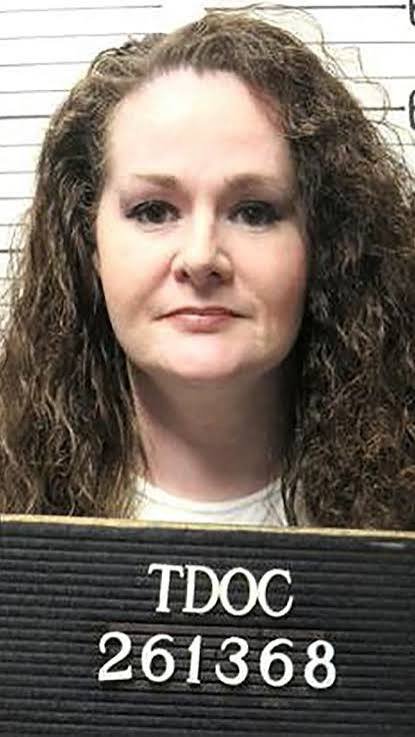
The attempted execution of death row inmate Christa Pike by lethal injection on Wednesday evening, September 30, 2026, failed after two doses of the drug pentobarbital failed to kill her. Following the botched procedure, state officials suspended the execution, and she was transported to an off-site hospital to receive life-saving measures.
What Happened During the Execution
- Dueling Court Rulings: Pike, 50, was set to become the first woman executed in Tennessee in more than 200 years for the 1995 torture and murder of classmate Colleen Slemmer. A lower federal appeals court initially stayed the execution on Wednesday morning to review new legal challenges regarding childhood sexual abuse and neglect. However, the U.S. Supreme Court overturned the stay in a 6–3 decision late Wednesday evening, ordering the state to proceed before a midnight deadline.
- The Administration Failed: According to court filings from her attorneys, prison officials administered two full syringes of the sedative pentobarbital starting around 7:30 p.m.. Pike did not lose consciousness or stop breathing.
- Witness Observations: Media witnesses inside Riverbend Maximum Security Institution reported hearing Pike complain that the vein in her arm “felt like it was about to burst”. Over the course of the next hour, journalists and attorneys reported she was clearly still alive, actively gasping, and loudly snoring with her mouth open inside the chamber.
- Emergency Halt: Her defense team filed an emergency motion at 8:26 p.m. alleging the state was inflicting “unnecessary agony” in violation of her constitutional rights. Media witnesses were escorted out around 8:53 p.m. as ambulances arrived to transport Pike to an off-site medical facility
What Caused the Failure?
While the Tennessee Department of Correction defended its protocol, experts and defense attorneys noted several critical factors:
- Compromised Veins: Her attorneys had previously warned the state that Pike suffered from a vein condition due to a history of substance abuse, making IV access difficult and highly prone to “blowing” or leaking into surrounding muscle tissue.
- Substance Ineffectiveness: Medical experts retained by the defense suggested Pike likely never achieved a high enough blood concentration of pentobarbital to cause cardiovascular or respiratory failure, pointing to potentially degraded or unverified compounding drugs.
What’s Next?
- Pike’s Health Status: Her exact medical condition remains unclear. Medical experts noted that the severe delay in initiating resuscitation following the lethal doses puts her at risk of permanent brain injury.
- Governor’s Review and Moratorium: Tennessee Governor Bill Lee has ordered a comprehensive, third-party review to determine exactly what went wrong. Consequently, Governor Lee announced that all remaining scheduled executions in Tennessee for the rest of 2026 have been halted, including the scheduled December 3 execution of death row inmate Gary Wayne Sutton.
- Legal and Political Battles: This marks Tennessee’s second highly problematic execution attempt in 2026, following a postponed attempt against Tony Carruthers in May when staff could not find a vein. Legal analysts expect intense federal constitutional litigation concerning “cruel and unusual punishment” before any future attempt to execute Pike can be scheduled